Recently I had the privilege of being a judge in the JFK Profiles in Courage High School essay contest. It was both an inspirational and aspirational experience personally, as someone who has been in leadership positions over his career, and professionally.
For those unfamiliar with JFK’s book, Profiles in Courage, it was written some 70 years ago by then Senator John F. Kennedy. The stories he shared through the book were ones of the courage displayed by various political figures throughout our history. Some figures are well known, like John Quincy Adams. Others less so, like Edmund Ross, a Republican from Kansas, who voted to acquit Democrat Andrew Johnson at his impeachment trial, against the pressure from his party.
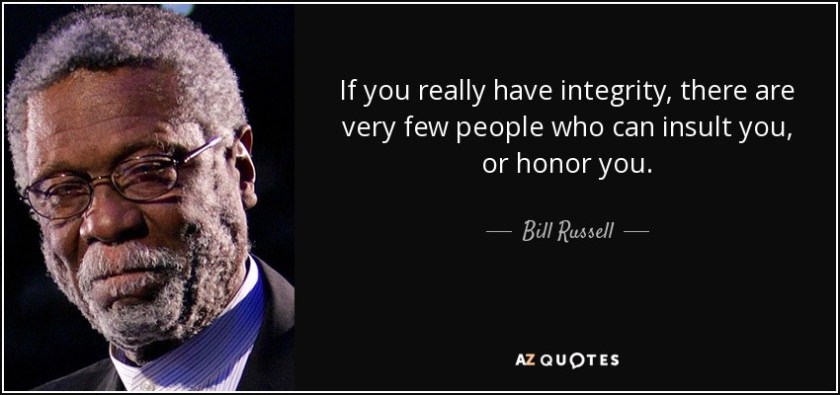
Kennedy described courage in politics, and life, as demonstrating a willingness to stand on principle even when it might be against your party and, in some cases, your own constituents. It was making a decision of conscience over political expediency. Kennedy believed that elected officials are given the honor to serve because the voters trust their judgement and integrity. In some cases, these acts of courage ended their political careers. But as another famed Boston legend once noted, “If you have integrity, there are very few people who can insult you, or honor you.” Acting out of principle can be a lonely game.
The essays I read were notable for two reasons. First, the research these students embarked on to find political figures with whom they had no familiarity (one of the criteria for essay consideration is that the person cannot be someone who is currently in the news or a historical figure whose story has been told many times before), meant they had to do the hard work of finding both a political figure and a compelling act of political courage they displayed.
Second, they needed to articulate the motivation of the politician in taking a principled stand, why it was courageous to do so, and how it impacted their political life post the decision. In that process, they learned what it means to be a principled leader and to risk one’s career to take a principled position. And their passionate telling of these stories demonstrated that learning.
For those reasons, it gave me hope in our future leaders.
The essays also inspired me. Although my work these days is more focused in the non-profit community development world, I still need to think about how I show up with integrity and support the principles under which I chose to do what I believe is important work. We are all leaders in some way.
They also reminded me that I need to do more work before casting my vote for any politician. Some of that starts with doing the same kind of research these young high school students did. Understanding the principles of the people asking for my vote, what they believe, where have they displayed the conviction of those beliefs, and whether I believe they will display integrity and courage in office. And then, once in office, holding them accountable through their term and at the next election cycle.
I also cannot act out of expediency. Voting is both a right and a privilege.
This and prior years winning essays are available to read here:
https://www.jfklibrary.org/learn/education/profile-in-courage-essay-contest/past-winning-essays
Let us both be inspired by those who are and aspire to be more courageous.